Removals in Knightsbridge
Our removals in Knightsbridge are arranged around careful handling, clear planning and a practical understanding of different property types. We provide a straightforward service for households and businesses that need furniture, boxes, appliances or specialist items moved with less stress. Whether the job is a short local move or a more involved relocation, the aim is to keep the process organised, reduce unnecessary handling and make the day easier to manage from start to finish.
We work across home removals, office removals and smaller moving jobs, with options that can be matched to the volume and nature of the belongings. That may include lifting heavy items, moving contents from upper floors, packing support or a vehicle and crew suited to the load. If you are comparing moving help and want a clear scope before you decide, our team can prepare a quotation based on the details you share.
For a simple introduction to the service, this page brings together the main moving options and explains how each one supports a different type of move. If you are ready to take the next step, you can request a quotation today.
Home moving support for different property sizes
A house move often needs more than a vehicle and a pair of hands. It may involve careful dismantling, wrapping fragile items, moving awkward furniture through narrow spaces and sequencing the load so that the first items needed at the destination are easy to reach. Our house removals service is intended for domestic moves where the contents, access and time available all need sensible coordination.
For flats, upper-floor properties and homes with limited parking or tight access, a different approach can be useful. Flat removals are suited to smaller or more constrained moves where stairs, lifts and carrying distances can affect the plan. We can also help with man with van work when the move is simpler and a smaller-scale arrangement is more appropriate than a full removal team.
Typical domestic moving tasks may include:
- loading furniture, cartons and household items safely
- protecting breakable possessions during transit
- moving items between rooms, floors or buildings
- positioning belongings at the new property where practical
Packed items, furniture and the practical side of loading

Good loading is not only about strength; it is about balance, access and protecting the contents. Large wardrobes, sofas, tables and white goods all need a plan that takes account of weight, shape and the route out of the property. Our furniture removals service is useful when individual pieces need careful movement, while furniture pick-up suits smaller collections or single items collected and delivered on request.
We also support customers who want help with the packing stage. Packing and boxes covers the materials and preparation needed to organise belongings before moving day, while packing and unpacking services can reduce the amount of hands-on work required from the customer. This is often helpful when time is limited or when there are fragile items that benefit from consistent wrapping and labelling.
Good preparation can make the load faster to handle and easier to place in the correct rooms. A brief inventory, clear access details and a note of any items that need extra care are usually enough to shape the arrangement. If you are unsure how much assistance you need, a short description of the contents is a good starting point.
Office and business moves with minimal disruption
Commercial moves need a different rhythm from domestic moves because desks, files, screens and workstations often need to be handled in a specific order. Our office removals service is designed for companies that need a practical move of furniture and equipment, whether that means a single room, a department or a larger workplace. For more extensive relocations, office relocation services give a broader framework for planning the move itself.
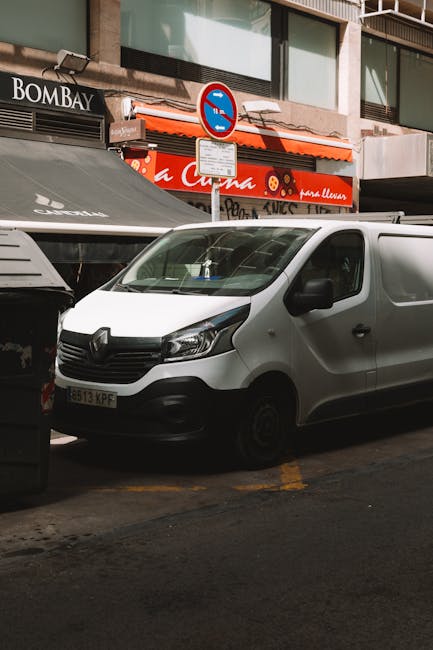
Business customers often need to move items without mixing up departments or interrupting the next working day more than necessary. That can mean labelled boxes, grouped furniture and a move plan that separates stored items from equipment still in use. Depending on the contents, we can also coordinate the use of a suitable vehicle from the range of removal options available, including a removal van or a moving truck where the load size requires it.
In practice, office moving work may cover archives, filing units, meeting furniture, lightweight shelving and other fixtures that are straightforward to remove without specialist installation work. Where computer equipment or sensitive paperwork is involved, the plan should be kept clear and the items identified in advance so the move remains orderly.
Vehicle options, access and the right size of move
Choosing a suitable vehicle matters because the wrong size can mean unnecessary trips or a cramped load. Our man and van service can suit light removals and collections where the contents are limited and the route is straightforward. For bigger household or business loads, a removal vehicle with more capacity may be more efficient, especially when the move includes bulky furniture, multiple boxes or a mixture of items.
Some customers only need help with part of a move rather than the full property. In those cases, we can discuss whether a smaller booking or a broader removal arrangement is the better fit. If your main concern is getting the right balance between capacity, handling and time on site, the quotation stage is the best point to set that out clearly and avoid unnecessary cost or confusion later.
Useful information to prepare before you ask for a quote includes:
- the type of property being moved
- rough quantities of furniture and boxes
- any heavy, fragile or oversized items
- access notes such as stairs, lifts or parking restrictions
Specialist handling for heavier or time-sensitive items
Some belongings need more care than ordinary box moving. A piano, for example, is heavy, awkward and vulnerable to damage if it is handled without a proper plan. Our piano removals service is there for items that need considerate positioning, secure movement and a suitable vehicle arrangement. The same careful approach also matters for large cabinets, delicate mirrors and unusual household pieces that cannot simply be carried like standard furniture.
For customers with time pressure, a more compact moving arrangement can sometimes help keep the schedule manageable. Same-day removals are relevant where the move is straightforward enough to be organised at short notice, while still needing an orderly loading and unloading process. This is not a shortcut for complex jobs, but it can be a practical option when circumstances change suddenly and the load is appropriate.
Specialist items should be identified early because they influence the handling method, the number of people needed and the overall cost structure. If you have one or two unusual possessions rather than a full specialist move, those can often be built into the main booking as long as they are described accurately at the outset.
Storage, longer transfers and staged moving plans
Not every move is completed in a single day. Sometimes belongings need to be taken away in stages, held temporarily or moved out before a property exchange or refurbishment is finished. Our storage page is relevant when items need a safe holding arrangement as part of a wider moving plan, and it can help to bridge the gap between leaving one property and settling into another.
For customers arranging a more involved relocation, the timing of collection, transit and delivery matters just as much as the lifting itself. A staged move may suit households that are downsizing, offices between premises, or customers waiting for access to become available. In those circumstances, clarity on what stays accessible and what should be stored is important before the move begins.
If you are comparing a direct move with a staged one, think about which belongings you need immediately and which can be separated. That simple distinction often makes the rest of the plan easier to manage and avoids unnecessary handling on the day.
About Knightsbridge

Knightsbridge is a district in west central London associated with luxury retail, grand residential streets and some of the capital’s most recognisable institutions. It sits on the edge of Hyde Park and is closely linked with neighbouring Belgravia, South Kensington and Chelsea. The name is historically connected to the crossing of the River Westbourne, which was once spanned by a bridge used by knights travelling westward; the river is now hidden underground, but the place name has endured. Today the area is known for a dense mix of Georgian and later architecture, with mansion blocks, embassies, hotels and embassied residential streets forming much of its built character.
One of the district’s most prominent landmarks is Harrods on Brompton Road, whose long-established presence has helped define the local streetscape and visitor profile. Nearby, Hyde Park provides a substantial open green space at the eastern edge of the district, while nearby Kensington Gardens extends the parkland setting westwards. Cultural and institutional landmarks also play a part in the area’s identity: the Victoria and Albert Museum, the Natural History Museum and the Science Museum are all within walking distance of the district’s broader orbit, creating a strong connection between the neighbourhood and London’s museum quarter. The local street pattern is shaped by a combination of main thoroughfares and quieter residential squares, with Brompton Road and Knightsbridge itself acting as important routes through the area. Despite its compact size, Knightsbridge has a layered history, a recognisable public image and a built environment that combines commercial prestige with substantial private housing.
Pricing factors and what affects the quotation

Removal prices are shaped by practical factors rather than a one-size-fits-all rate. The amount of furniture and packaging, the number of floors involved, the ease of parking and the distance between collection and delivery all play a part. A move with narrow stairs, fragile items or multiple destinations may need a different arrangement from a straightforward single-load job, which is why a clear description helps produce a more accurate quotation.
Our pricing and quotes page gives a useful starting point if you want to understand how a moving estimate is put together. It can be helpful to compare the type of service you need with the volume of contents, the access at each property and whether packing or furniture handling is required. Where appropriate, we can also discuss removal services more generally so that you can see how the various options fit together before deciding.
Request a quotation when you are ready and include the key details that affect the move. A short message with the property type, item list and preferred dates is usually enough to begin. We will then work from the information provided and outline the most suitable moving arrangement.
Extra help for moving day and after the load is out
Sometimes the move needs a little extra support beyond transport. That can include advice on packing order, grouping items by room, or choosing the right collection approach for belongings that are awkward to carry. Where the contents are already boxed, the focus is on safe loading and careful placement; where items still need preparing, the plan may need to include more time for sorting and wrapping before the vehicle arrives.
We also handle commercial moves for businesses that need a coordinated change of premises, and student removals for smaller loads linked to term-time accommodation changes. These pages reflect different moving patterns, but the same principle applies: the better the information at the start, the more suitable the final arrangement is likely to be. Keep the service description simple, and the booking can stay practical.
When you are comparing options, it is worth thinking about whether you need one clear move plan or a combination of services. A standard household load, for instance, might be handled by a removal van and a helper, while a larger family move could need a broader team and more time. Either way, the aim is the same: to move belongings safely and in a way that fits the day.