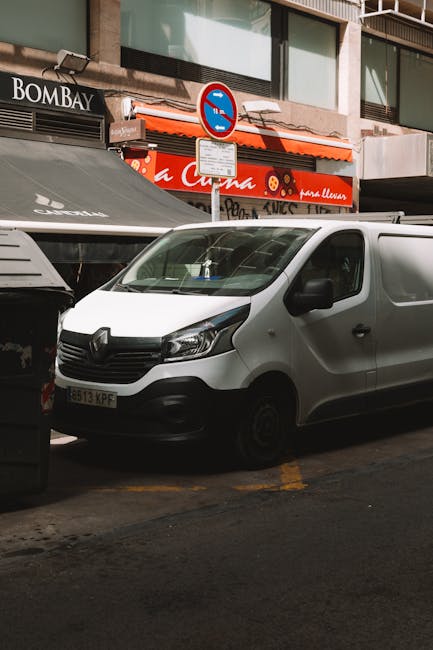
Removal van parking rules Knightsbridge Kensington and Chelsea
Parking a removal van in Knightsbridge and the wider Kensington and Chelsea area can feel like a small logistical puzzle with surprisingly big consequences. One wrong stop, one blocked bay, or one badly timed arrival, and a simple move can turn into a stressful, expensive scramble. If you are planning a house move, flat move, office relocation, or even a same-day clear-out, understanding Removal van parking rules Knightsbridge Kensington and Chelsea is one of the smartest things you can do before moving day.
This guide breaks the topic down in plain English. You will learn why the rules matter, how parking and loading typically work in this part of London, what mistakes to avoid, and how to plan a move that stays calm rather than chaotic. It also points you towards useful services such as removal van support, man and van assistance, and packing and boxes if you need help getting everything ready.
To be fair, the hardest part is often not lifting the furniture. It is finding somewhere legal, practical, and safe to stop the vehicle without upsetting neighbours, enforcement officers, or your own timetable. Let's face it, nobody wants a move day that starts with a parking ticket.
Expert summary: In Knightsbridge, Kensington, and Chelsea, removal van parking is all about planning ahead, checking local restrictions carefully, choosing the right vehicle size, and building in enough time for loading and unloading. The smoother the parking plan, the smoother the move.
Table of Contents
- Why Removal van parking rules Knightsbridge Kensington and Chelsea Matters
- How Removal van parking rules Knightsbridge Kensington and Chelsea Works
- Key Benefits and Practical Advantages
- Who This Is For and When It Makes Sense
- Step-by-Step Guidance
- Expert Tips for Better Results
- Common Mistakes to Avoid
- Tools, Resources and Recommendations
- Law, Compliance, Standards, or Best Practice
- Options, Methods, or Comparison Table
- Case Study or Real-World Example
- Practical Checklist
- Conclusion
- Frequently Asked Questions
Why Removal van parking rules Knightsbridge Kensington and Chelsea Matters
In this part of London, parking is not an afterthought. It is part of the move itself. Streets can be narrow, traffic can be dense, and parking controls are often strict. That means the removal van is not just a vehicle; it is the working base for your entire move. If it cannot stop legally and close enough to your door, everything becomes slower, heavier, and more expensive.
Knightsbridge, Kensington, and Chelsea also have a mix of residential roads, controlled bays, permit areas, loading restrictions, and timed parking rules. On a busy morning, a van that looks perfectly fine for a suburban move may be completely wrong for a central London street. And because properties here often involve flats, mews houses, basement entrances, garden squares, or shared access routes, the parking position affects stair carry time, lift use, and even the safety of your belongings.
There is also a neighbour factor. A van blocking access for too long can frustrate residents, businesses, and delivery traffic. If your move causes a problem for others, it adds pressure to your day. Nobody needs that. A sensible parking plan keeps the move efficient and helps you stay on good terms with the building or street.
If you are arranging a larger home move, it is often worth browsing home move support or, for more compact properties, flat removal help. The type of property matters because access and parking needs are rarely the same. A top-floor flat with a tight loading window is a very different beast from a ground-floor townhouse. Very different.
How Removal van parking rules Knightsbridge Kensington and Chelsea Works
The exact rules depend on the street, the time of day, and the type of parking control in place. In practice, the process usually comes down to four things: where the van can stop, how long it can stay there, whether loading is allowed, and whether any permission or suspension has been arranged in advance.
Here is the simple version. Some streets allow short loading only. Some bays are resident permit bays with limited loading tolerance. Some roads have single or double yellow lines with loading restrictions at certain hours. Others may require special arrangements for bigger vans, especially if they are likely to sit outside a property for longer than a few minutes. In more complex cases, you may need to plan for a nearby legal parking spot and use trolleys or extra carrying time.
That is why removal companies often ask for the exact address, floor level, access notes, and vehicle type before confirming the job. A moving truck is not the same as a smaller van, and a man with van setup can sometimes fit access conditions more easily than a larger lorry. Sometimes smaller is simply smarter. Not glamorous, but smart.
In practice, the best plan usually includes:
- checking the street layout before move day
- identifying the nearest legal stopping point
- confirming how close the vehicle can get to the building entrance
- allowing extra time for loading, especially in busy periods
- keeping documents and contact details ready in case a parking issue arises
If the move involves valuable items, fragile furniture, or long stair carries, it is also worth considering piano removals or furniture removal support where proper handling and vehicle positioning matter just as much as lifting technique.
Key Benefits and Practical Advantages
Getting the parking side right gives you more than convenience. It changes the whole feel of the move. Instead of repeatedly shuttling boxes across a road or waiting for someone to move a car, you can keep the work flowing. That is especially helpful in central London where every minute seems to count.
Some of the most practical benefits are obvious once you have lived through a move day or two:
- Less wasted time: the team can load and unload efficiently when the van is properly positioned.
- Lower risk of damage: shorter carrying distances mean fewer bumps, drops, or scrapes.
- Reduced stress: parking uncertainty is one less thing to juggle while moving.
- Better safety: fewer awkward crossings, less lifting over long distances, and less congestion around the front door.
- More predictable costs: delays can stretch labour time, so a sound parking plan helps keep the budget under control.
There is also a quieter benefit that people sometimes miss: a tidy, lawful move day tends to make a better impression on building managers and neighbours. If you are in a mansion block, a managed apartment building, or a business property, that goodwill matters more than people admit.
For customers who want everything handled as one smooth process, a full removal services package can be easier than trying to coordinate parking, loading, and transport separately. And if you need temporary off-site holding, storage can take some pressure off the timeline. That can be a real lifesaver when completion dates wobble. They do, sometimes.
Who This Is For and When It Makes Sense
This topic matters to much more than just homeowners. In Knightsbridge and Kensington and Chelsea, parking rules affect anyone who needs a van near a property, whether the job is small or large.
You will want to think carefully about parking rules if you are:
- moving out of a flat, townhouse, or mews property
- relocating a business or small office
- arranging student move-outs or term-time moves
- moving bulky items such as sofas, wardrobes, or instruments
- using a same-day service where speed matters
- booking a larger removal vehicle that needs more space to manoeuvre
The topic also makes sense if you are helping a relative, landlord, property manager, or tenant whose move requires careful coordination. A lot of people only realise the parking issue when the van arrives and there is nowhere to stop. That is the expensive moment. Best to avoid it.
If you are dealing with a commercial relocation, it is sensible to look at commercial moves or office removals, because business moves often need a different access plan from domestic ones. In a shop, clinic, or office setting, timing can be just as important as legality.
Students and smaller households may prefer student removals or a lighter man and van arrangement, especially where the property is tucked away behind a gate or in a restricted mews. It is less about size alone, more about fit.
Step-by-Step Guidance
If you want to manage removal van parking well, treat it as part of the move plan, not a side note. Here is a practical sequence that works in real life.
- Inspect the street conditions early. Look at bays, yellow lines, nearby corners, turning space, and access to the front door. If you can, do this at roughly the same time of day as the move.
- Check building access. Find out whether there is a service entrance, concierge instructions, lift booking, or courtyard access. A quick call can prevent an awkward morning.
- Match the vehicle to the road. Bigger is not always better. A large van can be awkward in tight streets, and a smaller vehicle may be easier to park legally.
- Plan loading and unloading order. Put the first-needed items nearest the door. This cuts the time the van needs to stay in position.
- Allow a parking buffer. In central London, things take longer than the same job elsewhere. Traffic, one-way systems, and short bays all slow things down.
- Prepare documents and instructions. Have booking details, access notes, and contact numbers ready in case the driver needs to make a quick decision.
- Keep the move flexible. If your ideal parking spot is taken, have a second-choice position in mind. That little backup plan saves the day more often than people expect.
If you are packing now and still surrounded by half-full boxes, start with packing and boxes or a more hands-on packing and unpacking services option. Truth be told, a well-packed move is much easier to park for because the loading window is shorter.
Expert Tips for Better Results
After many moves, a few patterns become pretty clear. The smoothest jobs are usually the ones where the parking question was answered before anyone lifted a single box. That sounds obvious, but on move day, obvious things are often the first to go out the window.
Here are the tips that make the biggest difference:
- Use the smallest practical vehicle. If the street is tight, a compact van can be more useful than a bigger one with more capacity.
- Load in a strict order. Start with the items that will not be needed first in the new property. This helps if the parking spot is only available for a limited period.
- Protect floors and doorways. Shorter carry distances are helpful, but they do not remove the risk of scuffing paint or woodwork.
- Keep the front door clear. Bags, pets, children, and curious neighbours all slow things down. Just keep that path open.
- Stay polite with nearby residents. A quick, friendly explanation can defuse a lot of tension if the van needs to work close to someone's entrance.
- Have a backup for overspill items. If you are moving more than expected, a removal truck hire option or short-term storage can reduce pressure.
One small but useful habit: take a photo of the parking position once the van is in place. It sounds almost too simple, yet it helps if there is any later question about access or loading conditions.
And if the move is happening on a rainy London morning, as it so often does, a covered entrance, umbrella, and a dry floor mat suddenly become very important. Funny how that works.
Common Mistakes to Avoid
Most parking problems are preventable. The trouble is, they usually come from assumptions rather than bad intentions. Here are the mistakes that cause the most trouble.
- Assuming a van can stop "just for a minute". In restricted areas, a minute can still be enough to create issues.
- Booking the wrong vehicle size. Too large and you may not fit; too small and you may need multiple trips.
- Forgetting about bay time limits. Loading in a bay is not the same as leaving a vehicle there all morning.
- Not checking one-way streets or turning space. Some roads are deceptively awkward for larger vehicles.
- Leaving packing until the last minute. Slower packing means longer roadside loading.
- Ignoring neighbours and building rules. Even if the road seems workable, the building itself may have access procedures worth following.
Another common issue is underestimating how long the walk from the van to the door can feel in central London. A distance that looks tiny on a map can be a real drag when you are carrying boxes up steps and through a narrow hallway. It is one of those things you only understand once you are doing it.
If your move involves awkward items or business equipment, check whether a office relocation service or house removals package better matches the access conditions. The right service level matters more than flashy promises.
Tools, Resources and Recommendations
You do not need a stack of specialist equipment to manage removal van parking well. A few practical tools and habits go a long way.
| Tool or resource | Why it helps | Best used for |
|---|---|---|
| Street inspection notes | Helps you remember bay types, yellow lines, and tight turning points | Planning the van position |
| Phone camera | Lets you record access, road width, and any restricted spots | Sharing accurate move-day details |
| Floor plan or room list | Makes loading and unloading more organised | Saving time at both ends |
| Moving labels | Speeds up delivery and keeps fragile items separate | Better unloading order |
| Move-day contact list | Gives the driver, building manager, and helper one quick reference | Solving last-minute changes |
For most readers, the best recommendation is simple: do not treat parking as a guess. Treat it as a planning task. If you are unsure about the scale of the move, get a quote early through pricing and quotes. If you are concerned about how the move will be handled, especially around belongings and access, it can also help to review insurance and safety and the company's health and safety policy.
People often ask whether they should choose a man and van or a full-size removals team. Honestly, it depends. For smaller loads, a lighter setup can be the cleanest solution. For larger properties, a more structured removals service may be better because the access and parking issues are handled more systematically.
Law, Compliance, Standards, or Best Practice
This is one of those topics where careful wording matters. Parking and loading restrictions in London are governed by local rules, road markings, signs, and enforcement practices that can vary street by street. Rather than relying on memory or assumptions, the safest approach is to check the specific location and plan accordingly.
From a best-practice point of view, a responsible removal operation should do the following:
- assess access before the move
- match vehicle size to the street and property
- avoid blocking driveways, crossings, or emergency access
- respect building and resident instructions
- build in enough time for lawful loading and unloading
- keep safety front and centre for workers, residents, and the public
That is why policies matter. Pages such as terms and conditions, privacy policy, and payment and security may seem administrative, but they help set expectations around service, responsibility, and how the move is handled. It all ties together more than people realise.
For larger jobs, especially in shared buildings or commercial premises, professional standards around lifting, safe loading, and access planning are not optional extras. They are part of doing the work properly. That is true whether the job is a local flat move or a bigger commercial move.
Options, Methods, or Comparison Table
There is no single correct way to handle parking for a removal van in Knightsbridge, Kensington, and Chelsea. The right option depends on the property, the volume of items, and how restrictive the street is.
| Approach | Best for | Pros | Trade-offs |
|---|---|---|---|
| Small van and quick load | Light to medium moves in tighter streets | Easier to park, easier to manoeuvre, often faster access | May need more trips if the load is large |
| Larger removal van | House moves and bigger inventories | More capacity, fewer trips, efficient for bulky furniture | Harder to place in narrow streets or restricted bays |
| Man and van service | Compact flats, student moves, partial loads | Flexible, practical, often simple to schedule | May be less suitable for very large properties |
| Removal truck hire | Substantial moves with a lot of volume | Good for large loads and structured moves | Needs more access space and stronger parking planning |
| Storage-first move | When dates do not line up cleanly | Reduces pressure on parking and timing | Requires an extra step and extra coordination |
If you are unsure which route suits you, it can help to compare a man with a van option against a more comprehensive removal truck hire setup. The answer is often simpler than expected once you look honestly at the access.
Case Study or Real-World Example
Picture a weekday morning in Knightsbridge. A client is moving from a third-floor flat with a narrow entrance, a lift that is not quite large enough for everything, and a street where spaces disappear quickly once commuters arrive. The original plan was to park directly outside. Nice idea. In reality, the nearest workable space is around the corner, and the van needs to stop there for only a short loading window.
Because the move had been planned properly, the team already knew which items were first out, which boxes were fragile, and which furniture needed extra protection. The route from the van to the flat was checked in advance, so the crew did not waste time improvising. A friend was on hand to keep the hallway clear. The result? Fewer trips, less carrying, and a calmer atmosphere all round.
Now compare that with a rushed version of the same move: no parking review, the wrong vehicle size, boxes still being sealed while the van waits, and nobody quite sure where the lamp or mirror is. You can feel the stress in that picture. The difference is not talent. It is preparation.
That is why even a straightforward move can benefit from local expertise and a sensible plan. If your move feels complicated, services like same day removals can be useful, but only when parking and access are considered from the beginning rather than at the last minute.
Practical Checklist
Use this checklist before move day. It is simple, but it catches a lot.
- Confirm the full address and access instructions
- Check whether the street has loading restrictions or permit-controlled bays
- Choose a van size that suits the road, not just the volume of items
- Ask about lift access, stairs, concierge rules, or service entrances
- Prepare labels for boxes and furniture
- Book packing help if you are running short on time
- Keep the move-day phone charged and within reach
- Have a second parking plan in case the first spot is occupied
- Protect fragile items and floor surfaces
- Allow extra time for central London traffic and loading delays
If you are moving a few items only, or you need help collecting furniture, the more focused furniture pick up and furniture removals services can sometimes be the tidiest solution. A little precision goes a long way.
And if you are still deciding, the safest move is often the boring one: plan earlier than you think you need to. Boring in this case is good. Very good.
Get a free quote today and see how much you can save.
Conclusion
Removal van parking rules in Knightsbridge, Kensington, and Chelsea are not something to leave until the van is outside the property. In this part of London, parking is part of the moving strategy. The streets are busy, the access can be awkward, and a small mistake can ripple through the whole day.
The good news is that the solution is usually straightforward: check the street, match the vehicle, plan the load, and build in time. If your move is small, a flexible van setup may be enough. If it is larger or more complex, a fuller service with proper access planning can make life much easier. Either way, the aim is the same: less stress, less delay, and a move that feels under control.
Do the parking well, and the rest of the day tends to follow suit. Simple as that, really. And when you are standing in your new place, with the boxes finally in and the noise dying down, you will be glad you took the time to get the details right.
Frequently Asked Questions
Do I need permission to park a removal van in Knightsbridge, Kensington, or Chelsea?
It depends on the street, the bay type, and the time of day. Some locations allow loading, while others are controlled more tightly. The safest approach is to check the exact street conditions before move day and plan the vehicle position carefully.
Can a removal van stop outside my flat for loading?
Sometimes, yes, but not always. In central London, parking, loading, and waiting rules can differ even between nearby streets. It is better to assume nothing and check the actual restrictions on your road.
What size van is best for moving in Kensington and Chelsea?
The best size is the smallest practical one for your load and access. A smaller van can be easier to park and manoeuvre, while a larger vehicle may reduce trips. The right choice depends on your property, furniture, and street layout.
Are yellow lines a problem for removal vans?
They can be, depending on the specific restrictions in force at that time. Some yellow line areas allow loading, others do not. Do not rely on guesswork, because the rules can change by road and by hour.
How far in advance should I plan parking for a move?
As early as possible. For London moves, even a short planning session the day before can save a lot of hassle. For more complex properties or bigger loads, earlier is better.
What if the nearest space is already taken on move day?
Have a backup location in mind. A good mover will usually think through alternative stopping points and adjust the load plan. That flexibility can make the difference between a smooth move and a messy one.
Is a man and van service better for tight London streets?
Often, yes. A smaller setup can be easier to position in narrower roads and may suit flats, partial loads, and student moves. It is not always the answer, but it is often worth considering.
Can I use storage if parking is too difficult at one end of the move?
Yes, storage can be a useful bridge if dates, access, or parking are awkward. It can reduce pressure on move day and give you more control over the overall timeline.
How do I reduce the time the van needs to stay parked?
Pack early, label clearly, place items by exit order, and keep walkways clear. Good preparation means faster loading, and faster loading means less time spent trying to hold a tricky parking position.
What should I ask a removals company about parking?
Ask what size vehicle they plan to use, how they handle restricted streets, whether they need access notes, and what they recommend for the exact address. Good companies will welcome that conversation.
Do office moves need different parking planning from home moves?
Usually, yes. Office moves can involve more equipment, stricter timing, and building management rules. If you are arranging a business relocation, parking and access should be planned very carefully.
Where can I get help with a move in Knightsbridge or Kensington and Chelsea?
If you want help with planning, packing, transport, or storage, it is worth reviewing the relevant service pages and getting a tailored quote. A proper conversation at the start can save a surprising amount of stress later on.